Trainee Growth & Mentoring
Helping students and postdoctoral researchers grow into confident researchers, communicators, and leaders.
CAMM supports students and postdoctoral researchers as they build professional confidence, mentoring relationships, communication skills, and career direction.
This page focuses on the development experiences that happen alongside research: goal-setting, presentation practice, feedback, networking, teaching, mentoring, and career exploration.
Education & Training
Mentoring & Goal-Setting
Individual Development Plans help trainees connect research progress with career direction.
CAMM mentors use Individual Development Plans to help graduate students and postdoctoral researchers identify research and career goals, define next steps, and clarify expectations for effective mentoring relationships.
Mentoring Environment
Multiple mentoring perspectives
Trainees work with principal investigators, Interdisciplinary Research Group leads, Center leadership, collaborators, and external partners.
Growth toward independence
Graduate students and postdocs are encouraged to develop increasing independence as they progress through research and professional-development experiences.
Shared expectations
Mentoring conversations help trainees align research productivity, communication, collaboration, and career goals.
Professional Skills
Workshops and career-development activities build practical skills for research careers.
CAMM professional development activities have included topics such as patenting, STEM entrepreneurship, CV preparation, poster and oral presentation skills, time management, and translating data.


Visibility & Feedback
Trainees practice communicating work and receive feedback from multiple audiences.
Weekly research meetings
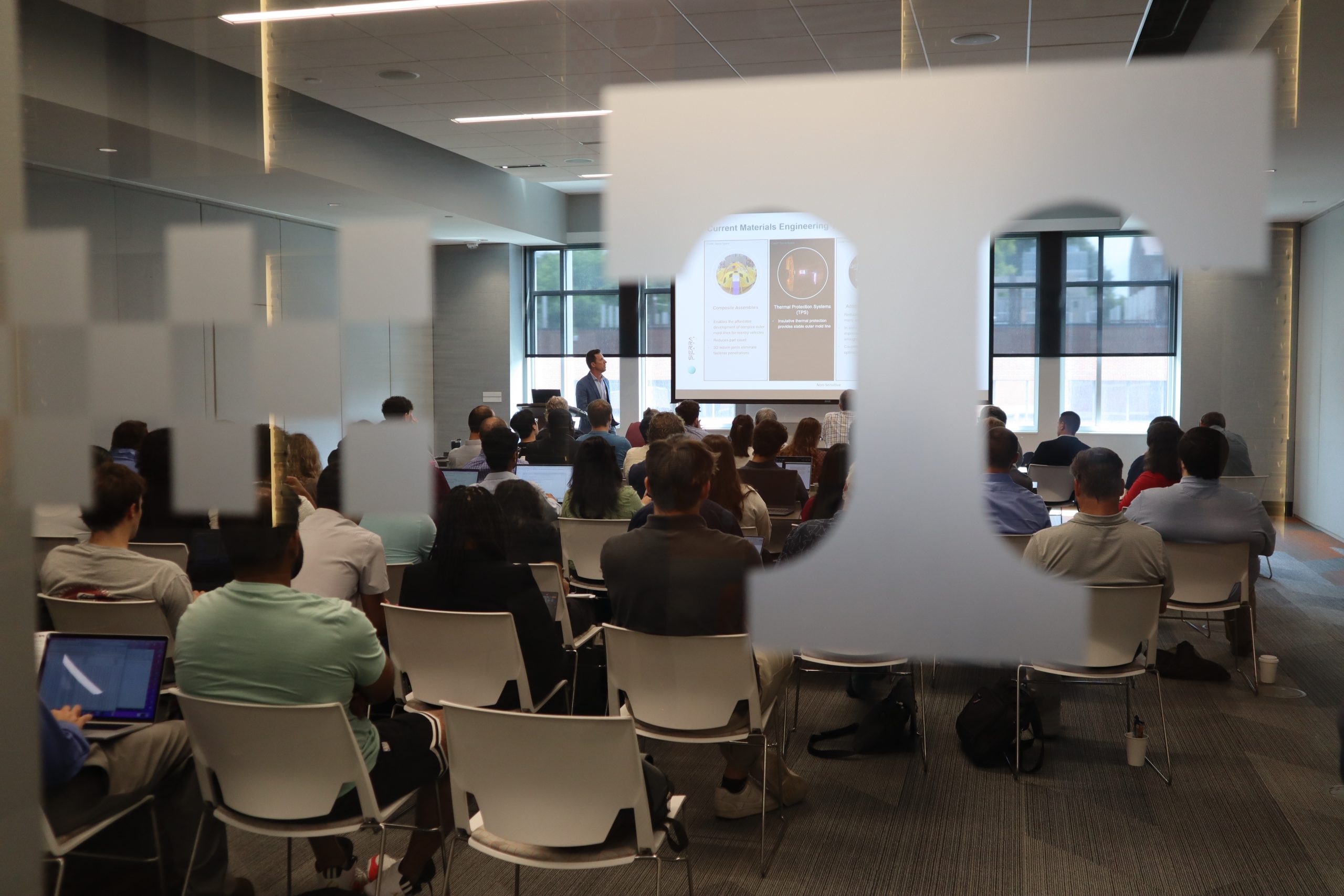
Students have opportunities to present unfinished results and practice oral presentations during weekly Interdisciplinary Research Group meetings.
Poster sessions
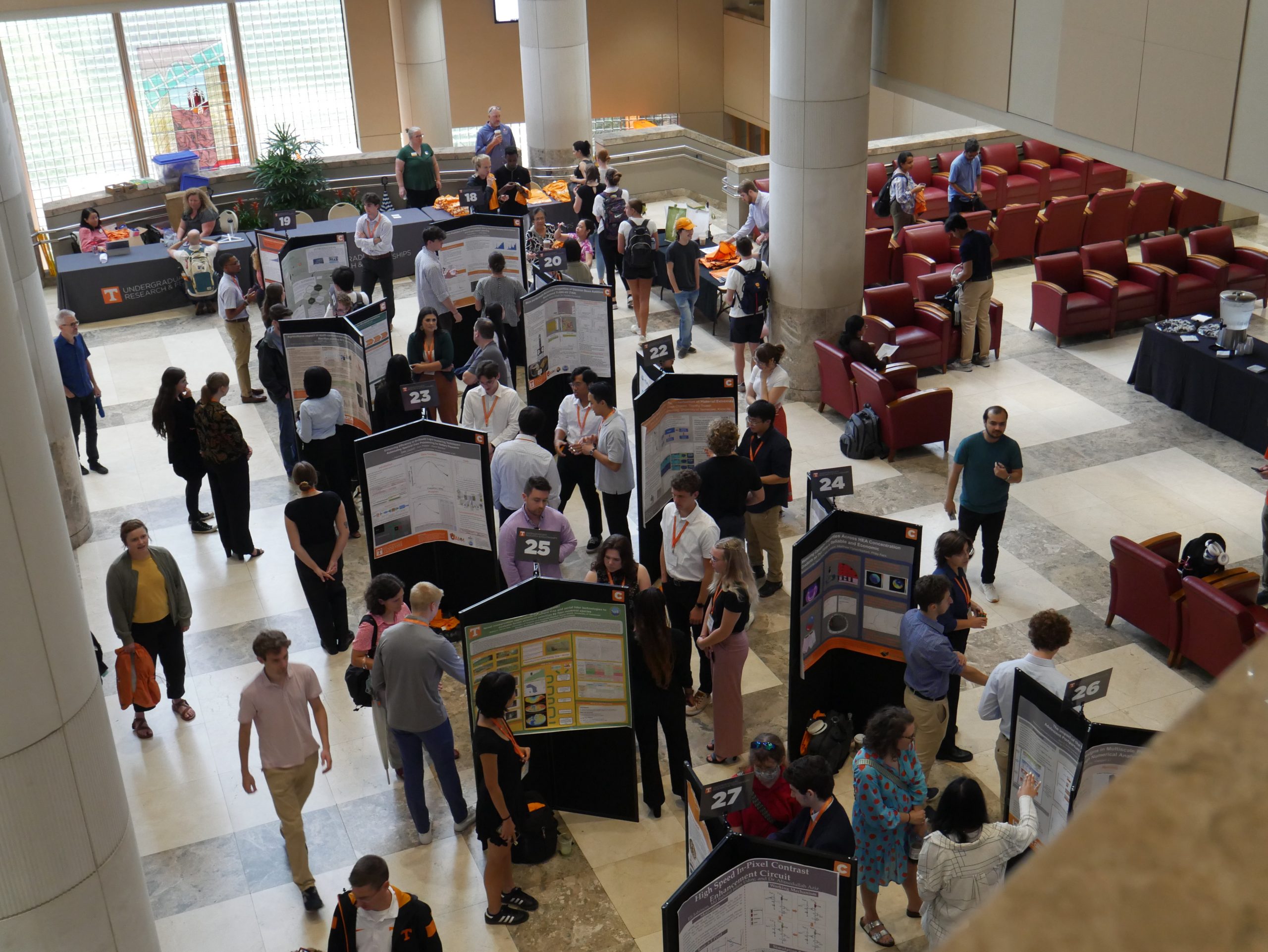
Poster sessions give trainees structured opportunities to explain their work, answer questions, and strengthen presentation skills.
External feedback
CAMM poster sessions have included judges from Oak Ridge National Laboratory and local professional society partners, creating opportunities for practical feedback.

Career Pathways & Leadership
CAMM helps trainees explore where materials research can lead.
Academic pathways
Seminars, presentations, publications, and mentoring activities help trainees understand academic research expectations.
National laboratories
Center activities and collaborations expose trainees to national laboratory research environments and user-facility opportunities.
Industry and government
Industry events, partner engagement, and career panels help trainees connect materials research to broader professional pathways.
Teaching and mentoring
Graduate students and postdocs can build mentoring skills through coursework support, guest lectures, lab training, undergraduate supervision, outreach, and Center programs.
Development in Practice
Student development is measured through growth, contribution, and career progress.
CAMM considers trainee progress across research productivity, professional development, communication, teaching, mentoring, collaboration, conference participation, proposal activity, career placement, and contributions to the Center’s collaborative research mission.
Trainees Contribute By
Conducting and sharing research
Graduate students and postdocs conduct research, write papers, present findings, and contribute to collaborative projects.
Mentoring junior trainees
Early-career researchers help support undergraduate students, visitors, external partners, and newer members of the research community.
Building collaborative culture
Center meetings, seminars, conferences, and collaborative activities help trainees practice working across disciplines and research environments.