CAMM Training Pathways
From research onboarding to independent scientific leadership.
CAMM prepares trainees to move from research orientation into collaborative research, scientific communication, proposal development, mentoring, and career preparation.
Training connects experiment, computation, artificial intelligence and machine learning, quantum materials, and fusion-relevant materials research.
Education & Outreach Overview
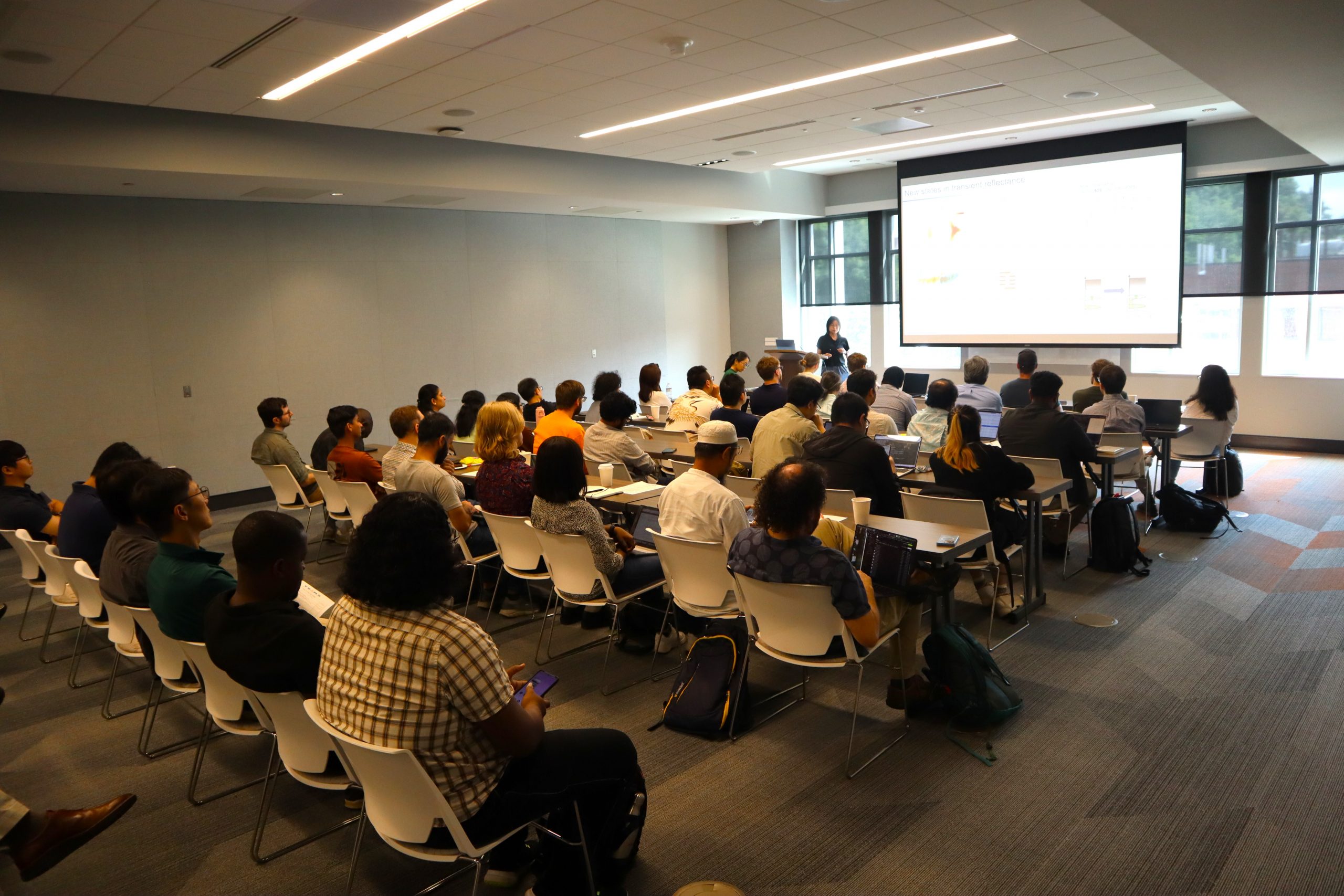
Training Model
Research training is paired with professional development.
CAMM combines technical training with communication practice, mentoring, proposal preparation, teaching experience, and exposure to career pathways.
Trainees Build
Research readiness
Lab procedures, safety, documentation, data practices, computational workflows, and responsible research practices.
Professional confidence
Communication, opportunity identification, teamwork, mentoring, and career planning.
Scientific independence
Proposal preparation, manuscripts, presentations, peer review, and research direction-setting.
Training Snapshot
Courses, resources, and research community-building
4
AI/ML-related UTK courses
Developed by CAMM principal investigators for undergraduate and graduate students.
10
Onboarding videos
Created to support CAMM training and participation.
1,231
Approximate video views
Approximate views across the onboarding and instructional video collection.
Weekly
Research community
Interdisciplinary Research Group meetings, seminars, Teatime, and Center-wide activities.
Research-to-Career Pipeline
CAMM training supports each stage of trainee development
01
Research onboarding
Trainees learn lab procedures, safety, documentation, data practices, computational workflows, and responsible research expectations.
02
Artificial intelligence and data skills
Training emphasizes reproducible workflows, secure computational practices, machine-learning tools, and artificial-intelligence-ready materials data.
03
Communication
Trainees develop manuscripts, posters, oral presentations, peer review responses, seminars, workshops, and conference presentations.
04
Proposal preparation
Postdoctoral researchers, and where appropriate graduate students, participate in proposal planning, literature review, preliminary data development, and technical writing.
05
Teaching and mentoring
Trainees build mentoring skills through coursework support, guest lectures, lab training, undergraduate supervision, outreach, and Center programs.
06
Career pathways
CAMM exposes trainees to academic, national laboratory, industry, government, and science-adjacent pathways.